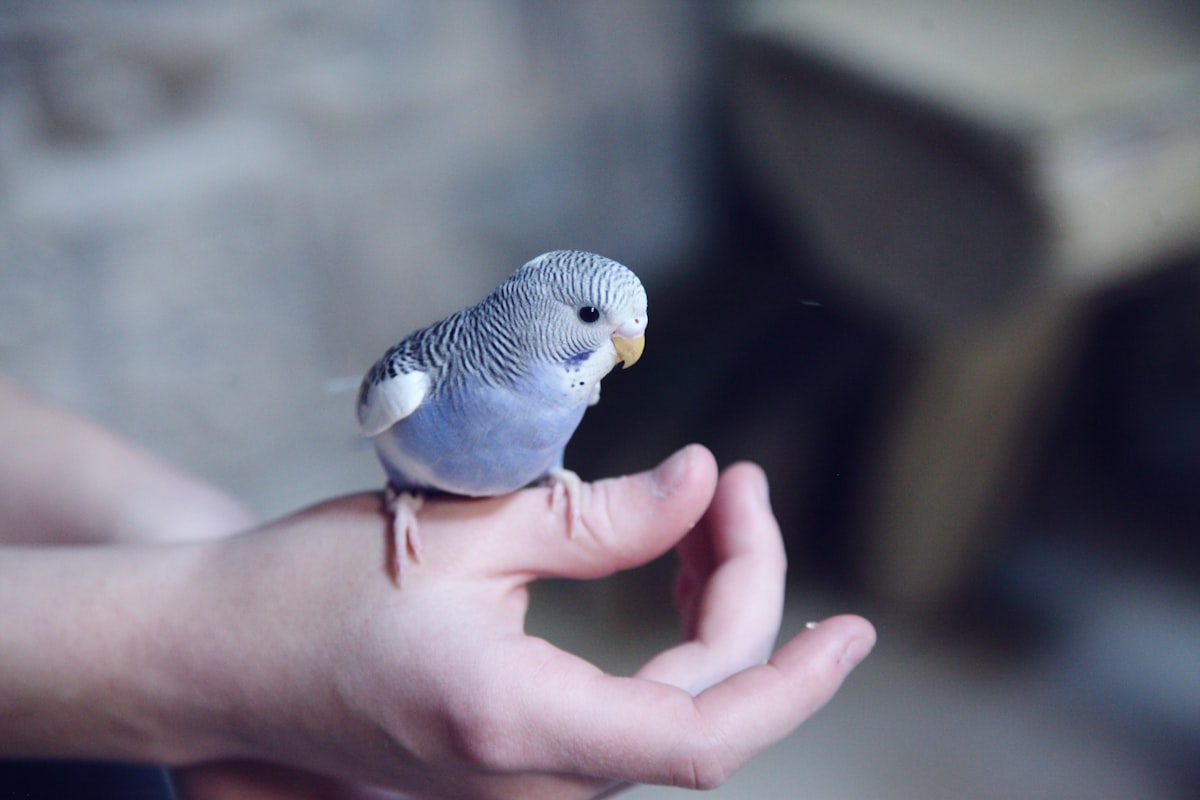
Few topics in the bird-keeping community generate as much debate as wing clipping. Some owners view it as an essential safety measure; others consider it unnecessary or even harmful. The truth, as with most things in avian care, is nuanced. At Feathered Friends Vaughan, we believe every bird owner deserves clear, unbiased information so they can make the best decision for their individual bird and household. This guide covers everything you need to know — no judgment, just facts.
What Is Wing Clipping?
Wing clipping is the process of trimming specific flight feathers on a bird's wings to limit its ability to achieve sustained, upward flight. It is not a permanent procedure. Only the outer primary flight feathers are trimmed — typically five to seven feathers on each wing — and since these are fully grown feathers with no blood supply at the shaft, the bird feels no pain during the process. Think of it like cutting your own hair or trimming your fingernails.
A properly clipped bird can still glide downward and flutter to the ground safely. The goal is not to make the bird completely flightless but to prevent it from gaining altitude and flying at full speed, which reduces the risk of certain household accidents. When the bird moults and replaces its trimmed feathers with new ones, full flight capability returns — meaning wing clipping must be repeated after each moult cycle if the owner chooses to maintain it.
Benefits of Wing Clipping
There are several legitimate reasons why a Vaughan bird owner might choose to clip their bird's wings. Understanding these benefits helps put the practice in proper context:
Indoor Safety
The average home is filled with hazards for a fully flighted bird. Open windows and doors, ceiling fans, hot stovetops, pots of boiling water, mirrors, glass windows, and toilet bowls are all common causes of serious injury or death in companion birds. A clipped bird that cannot gain altitude is far less likely to fly into a window at full speed, land on a hot surface, or escape through a door that someone opened without checking first.
This is especially relevant in Vaughan households with children. Young kids open doors quickly, forget to check for the bird, and move unpredictably. Wing clipping adds a meaningful layer of protection in busy family homes.
Preventing Escapes
Every year, thousands of pet birds escape through open doors and windows across the GTA. A fully flighted parrot that gets outside is disoriented, vulnerable to predators like hawks and cats, and may fly kilometres away within minutes. In Vaughan's suburban neighbourhoods — with large lots, open green spaces near Boyd Conservation Area, and busy roads like Highway 7 and Jane Street — an escaped bird faces serious dangers.
A clipped bird that accidentally gets outside may flutter to the ground rather than disappearing over rooftops. This dramatically increases the chance of a safe recovery.
Easier Handling for New Birds
When a bird first comes into your home — whether from a breeder, a rescue, or a rehoming situation — the adjustment period can be stressful for everyone. A bird that is not yet bonded to its owner and is fully flighted may fly in panic when approached, crash into walls, and injure itself. Clipping during the initial bonding period can help calm the bird, encourage it to rely on you for transportation (stepping onto your hand rather than flying away), and reduce crash-related injuries.
Many experienced bird owners clip temporarily during the bonding phase and then allow feathers to grow back once the bird is comfortable, well-trained, and familiar with the home environment.
Common Concerns and Myths Debunked
Wing clipping is surrounded by misconceptions. Let us address the most common ones directly:
"Wing clipping hurts the bird"
When performed correctly, wing clipping is painless. Only fully mature feathers are trimmed — these have a hard, hollow shaft with no nerve endings or blood supply. The bird may be briefly stressed by the handling required for the procedure, but the trim itself causes no physical pain. Blood feathers (new, growing feathers with an active blood supply in the shaft) are never cut. A professional groomer identifies and avoids these with ease.
"Clipped birds become depressed"
There is no scientific evidence that a properly clipped bird experiences depression from the clip itself. However, a bird that loses flight and receives no additional enrichment, interaction, or environmental stimulation may become frustrated — just as any bird would in an under-stimulating environment. The key is that clipping should be accompanied by increased floor time, foraging opportunities, and social interaction to compensate for reduced flight exercise.
"Feathers won't grow back properly"
Trimmed feathers are replaced during the bird's natural moult cycle. The new feathers grow in fully functional and undamaged. Clipping does not affect the follicle or the bird's ability to produce healthy feathers in the future. The only risk to regrowth is if a feather is pulled out or damaged at the base, which is why professional trimming — where only the outer portion of the feather is cut — is important.
"It ruins the bird's balance"
An improperly done clip can affect balance. This is why symmetry matters — both wings should be trimmed equally so the bird can glide in a controlled manner. A one-wing clip (sometimes recommended in outdated sources) is dangerous because it causes the bird to spiral uncontrollably. Any reputable groomer, including our team at Feathered Friends Vaughan, always clips both wings symmetrically.
Full Clip vs. Partial Clip
Not all wing clips are the same. The two main approaches offer different levels of flight restriction, and the right choice depends on your bird's species, weight, and living situation.
Full Clip
A full clip trims five to seven primary flight feathers on each wing. This significantly reduces lift and prevents the bird from gaining altitude. The bird can still glide gently downward from a height but cannot fly horizontally across a room or gain any upward momentum. A full clip is typically recommended for:
- Households with significant flight hazards (open-concept kitchens, ceiling fans, large windows)
- Birds that are new to the home and not yet trained to recall
- Larger, heavier species that do not need much lift to become dangerous in a home environment
- Families with very young children who may accidentally let the bird outside
Partial Clip
A partial clip trims only three to four primary feathers on each wing. This allows the bird to fly short distances horizontally and maintain some controlled flight around a room, while still preventing sustained high-speed flight. A partial clip is often preferred for:
- Lighter species like budgies and cockatiels that need more lift just to glide safely
- Owners who want their bird to have some flight exercise but with reduced speed
- Birds transitioning from a full clip back to being fully flighted
- Experienced owners who have bird-proofed their home but want an extra safety margin
At Feathered Friends Vaughan, we discuss these options with you during your appointment and recommend the approach that best suits your bird's species, size, and your household setup.
When NOT to Clip
Wing clipping is a personal choice, and there are situations where it is clearly not the right one:
- Outdoor aviaries: Birds housed in secure outdoor aviaries have a controlled environment where flight is safe and beneficial. Clipping in this setting removes exercise without adding safety.
- Fully bird-proofed flighted homes: Some dedicated owners create fully bird-safe environments — windows covered with screens or decals, no ceiling fans, no open water, controlled access points. In these homes, full flight provides excellent exercise and mental stimulation.
- Birds in active flight training: If you are recall training or free-flight training your bird, clipping defeats the purpose. These programmes rely on the bird's ability to fly and return on command.
- Overweight birds: A bird that is already overweight needs more exercise, not less. Clipping an overweight bird removes their primary form of cardiovascular activity. Work with an avian vet on a diet and exercise plan before considering a clip.
- Birds with respiratory conditions: Flight is an excellent respiratory workout. Birds with chronic respiratory issues may benefit from maintained flight ability to support lung health.
How Often Does a Bird Need Re-Clipping?
Wing clipping is not a one-time event. Because trimmed feathers are eventually replaced through moulting, you will need to schedule re-clips periodically if you choose to maintain a clip.
Most companion parrots go through one to two major moults per year, typically triggered by changes in daylight length. In Vaughan, where we experience dramatic seasonal light shifts, many birds begin their primary moult in late spring (May to June) as days lengthen, with a secondary lighter moult sometimes occurring in early autumn.
Here is a general re-clipping schedule by species:
- Budgies and small parakeets: Every 2 to 3 months. These small birds moult frequently and grow new flight feathers relatively quickly.
- Cockatiels and lovebirds: Every 3 to 4 months. Their moult cycle is moderate.
- Conures and small parrots: Every 4 to 5 months. Watch for new flight feathers emerging — even two or three regrown primaries can restore significant flight ability in these agile species.
- African greys and Amazons: Every 5 to 7 months. Larger parrots moult more slowly and grow feathers more gradually.
- Cockatoos and macaws: Every 6 to 8 months. Their large feathers take longer to grow in fully.
The most important thing is to check regularly rather than rely strictly on a calendar. Run your fingers gently along the wing edge and look for new, smooth feathers among the trimmed ones. If you can see three or more regrown primary feathers, it is time for a re-clip.
The Professional Approach at Feathered Friends Vaughan
When you bring your bird to our Woodbridge facility for wing clipping, here is what you can expect:
We begin with a conversation about your goals. Are you looking for a full clip for maximum safety, or a partial clip that preserves some flight? Is your bird new to clipping, or have they been maintained with regular trims? This helps us tailor the clip to your specific situation.
Your bird is gently restrained using a towel — standard avian handling practice that keeps the bird safe and calm. We extend each wing carefully, identify all primary flight feathers, check for any blood feathers that must be avoided, and trim symmetrically using sharp, professional scissors. The entire process takes five to ten minutes for most species.
After the clip, we demonstrate the result by allowing the bird to attempt a short flight in a controlled space, confirming the clip achieves the intended level of restriction. We explain what to expect at home — your bird may need a day or two to adjust to its new flight capability — and advise you on when to schedule the next appointment based on your bird's species and moult timing.
"We were nervous about getting our green cheek conure's wings clipped, but the team at Feathered Friends Vaughan walked us through every step and explained exactly what they were doing. Our bird was calm within minutes afterwards. We feel so much safer now with two toddlers in the house." — Concord family
Whatever you decide about wing clipping, the most important thing is that the decision is informed. There is no universally right or wrong answer — only the right answer for your bird, your household, and your circumstances. If you are unsure, we are always happy to discuss your situation and help you weigh the options without pressure.