A bored bird is an unhappy bird — and unhappy birds often develop destructive behaviours like feather plucking, excessive screaming, and cage aggression. At Feathered Friends Vaughan, enrichment is at the heart of everything we do. Whether your bird is staying with us in our Woodbridge facility or living their best life at home with you, these enrichment strategies will keep them mentally sharp, physically active, and emotionally content.
Why Enrichment Matters
In the wild, birds spend the majority of their day foraging for food, socializing with flock members, navigating complex environments, and avoiding predators. In captivity, food arrives in a bowl, the environment rarely changes, and there are no natural challenges to solve. This gap between a bird's cognitive capacity and their daily reality leads to boredom, which is the root cause of most behavioural issues in pet birds.
Enrichment bridges that gap by providing opportunities for problem-solving, physical activity, and sensory stimulation. It doesn't require expensive equipment — just creativity and consistency.
Foraging: Make Them Work for Their Food
Foraging is the single most impactful enrichment activity you can offer. Instead of placing food in an open bowl, make your bird search, manipulate, and problem-solve to access their meals.
- Paper wraps: Wrap pellets or treats in small squares of plain paper (unbleached, no ink). Your bird must tear through the paper to reach the reward.
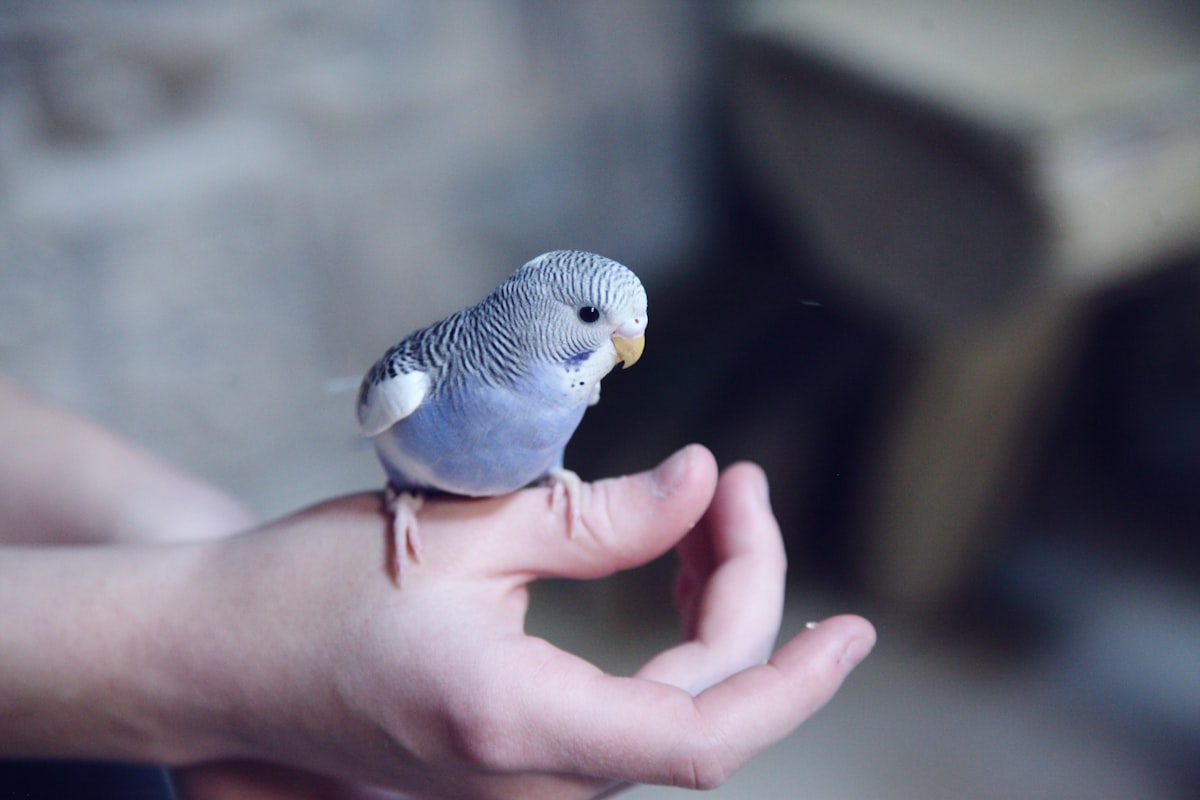
- Foraging boxes: Fill a small cardboard box with crumpled paper and hide food throughout. Budgies and cockatiels especially love digging through these.
- Skewered produce: Thread pieces of apple, carrot, and leafy greens onto a stainless steel skewer hung inside the cage. Your bird must hold, twist, and pull to eat.
- Puzzle feeders: Commercial foraging toys with sliding doors, rotating compartments, or screw-top lids challenge larger parrots and keep them occupied for extended periods.
Start easy and gradually increase difficulty. If your bird has never foraged before, they may not immediately understand the concept. Place a few visible treats alongside the hidden ones to build confidence.
Training and Trick Learning
Training sessions are one of the best forms of enrichment because they combine mental challenge, social interaction, and positive reinforcement. You don't need to teach complex circus tricks — even basic commands like step-up, target training (touching a chopstick with their beak), and wave provide valuable cognitive engagement.
Keep sessions short — five to ten minutes, two to three times per day — and always end on a positive note. Use a favourite treat as a reward and be patient. Many Vaughan bird owners tell us they're surprised how quickly their birds pick up new behaviours once they start training consistently.
Environmental Enrichment
Change your bird's environment regularly to prevent monotony. This doesn't mean rearranging the entire cage every day — small, periodic changes are more effective and less stressful.
- Rotate toys weekly: Keep a collection of toys and swap three or four at a time. A toy that's been out of the cage for two weeks feels new again.
- Vary perch types: Use natural wood branches of different diameters alongside manufactured perches. Different textures and widths exercise foot muscles and prevent pressure sores. Vaughan bird owners can source safe branches from apple, willow, or birch trees in local areas like Boyd Conservation Area — just ensure no pesticides have been used.
- Create viewing stations: Position a perch near a window (away from drafts) where your bird can watch outdoor birds, squirrels, and passing pedestrians. Visual stimulation is underrated enrichment.
- Play nature sounds: Recordings of rainforest sounds, other bird species, or gentle instrumental music provide auditory enrichment during the day.
Social Enrichment
Birds are flock animals. For single-bird households, human interaction is critical. Spend at least thirty minutes of dedicated, focused one-on-one time with your bird daily — not just being in the same room, but actively engaging with them. Talk to them, offer head scratches (if they enjoy it), or simply sit near their cage and read aloud.
If you work from home, positioning your bird's cage in your home office provides passive social enrichment — they can hear your voice, observe your movements, and feel like part of the action. Many Vaughan residents who transitioned to remote work report that their birds became more vocal and interactive once they shared the workspace.
DIY Enrichment Projects
You don't need to spend a fortune at the pet store. Some of the best enrichment items can be made from household materials:
- Toilet paper roll foragers: Fold one end closed, fill with treats and shredded paper, fold the other end
- Popsicle stick puzzles: Glue untreated popsicle sticks into a grid and weave strips of paper with hidden treats between them
- Ice foraging: Freeze small pieces of fruit in ice cubes and let your bird chip away at them (supervised, on a plate)
- Shredding stations: Hang strips of palm leaf, sisal rope, or plain cardboard from the cage top for birds that love to shred
Always use bird-safe materials: no glue with toxic fumes, no treated wood, no small parts that could be swallowed. When in doubt, stick to plain paper, untreated wood, and stainless steel hardware.
Signs Your Bird Needs More Enrichment
Watch for these indicators that your bird may be under-stimulated: repetitive pacing on the cage floor, excessive preening or feather barbering, screaming that seems attention-seeking rather than communicative, cage bar biting, and lethargy. If you notice any of these, increase enrichment immediately and consult with your avian vet to rule out medical causes.
Enrichment is not a luxury — it's a necessity for every companion bird. At Feathered Friends Vaughan, we build enrichment into every single stay because we see the difference it makes. If you'd like personalized enrichment recommendations for your specific bird, get in touch — we're always happy to brainstorm ideas with fellow Vaughan bird lovers.