Adding a bird to your family is one of the most rewarding decisions you can make — but it's also one that deserves careful thought. Different species have vastly different needs in terms of space, noise, diet, lifespan, and social interaction. As bird care specialists serving Vaughan families across Woodbridge, Kleinburg, Maple, and Concord, we've seen firsthand what happens when the match is right — and when it isn't. This guide will help you make an informed choice.
Assess Your Lifestyle First
Before researching species, take an honest look at your daily routine. How many hours are you home? Do you work from home or commute to an office in Toronto? Do you have young children? Other pets? How much noise can your household tolerate? Do you live in a detached house in Kleinburg with space to spare, or a townhouse in Concord where sound travels between walls?
These questions matter because the bird you choose will be a daily companion for potentially decades. A macaw might seem magnificent, but if you work twelve-hour days and live in a condo, neither you nor the bird will thrive. Conversely, if you're home most of the day and crave an interactive companion, a budgie might leave you wanting more engagement.
Best Birds for First-Time Owners
If you've never owned a bird before, these species offer a wonderful introduction to avian companionship:
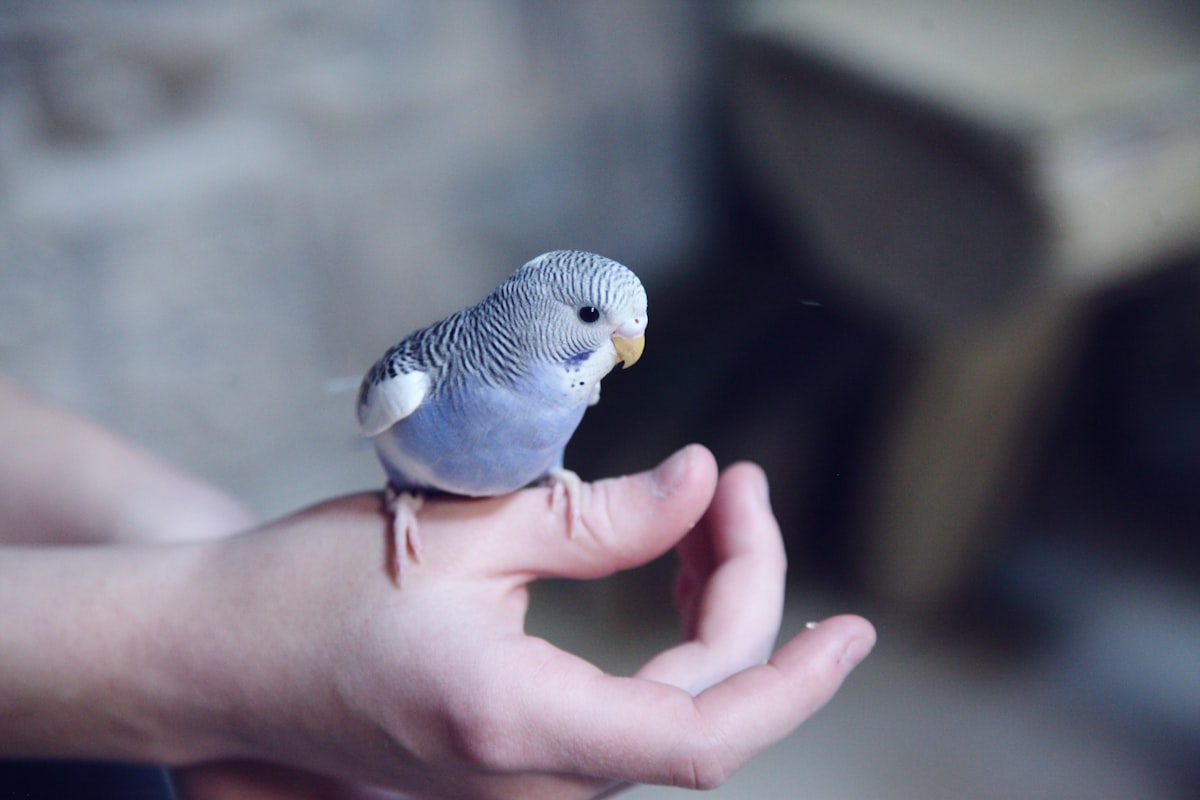
- Budgies (Parakeets): Small, affordable, and full of personality. Budgies can learn to talk, enjoy interaction, and do well in pairs. They're relatively quiet compared to larger species — a great choice for Vaughan townhouse dwellers. Lifespan: 7-15 years.
- Cockatiels: Gentle, affectionate, and musical. Cockatiels are one of the most popular companion birds in Canada for good reason. They bond closely with their owners, enjoy head scratches, and can learn to whistle tunes. Their noise level is moderate. Lifespan: 15-25 years.
- Lovebirds: Compact but feisty. Lovebirds are energetic, curious, and form intense bonds. They do well in pairs and can be surprisingly interactive. A good choice for families who want a small bird with big personality. Lifespan: 10-15 years.
Intermediate Species for Experienced Owners
Once you're comfortable with bird care basics, these species offer deeper engagement:
- Conures: Playful, social, and moderately noisy. Sun conures and green-cheek conures are hugely popular among Vaughan bird owners. They love to cuddle, ride on shoulders, and participate in family activities. Be prepared for occasional loud calls — this is normal conure behaviour, not a problem to fix. Lifespan: 20-30 years.
- African Greys: Widely considered the most intelligent companion bird species. African greys are exceptional talkers and problem-solvers, but they also require significant mental stimulation and consistent socialization. They can develop anxiety and plucking behaviours if understimulated. Best for dedicated owners who have multiple hours per day to devote. Lifespan: 40-60 years.
- Eclectus Parrots: Calm, beautiful, and relatively quiet for a medium-large parrot. Males and females look dramatically different (green and red, respectively). They have specific dietary needs — heavily fruit and vegetable based. A stunning and manageable choice for experienced bird families. Lifespan: 30-40 years.
Large Parrots: A Serious Commitment
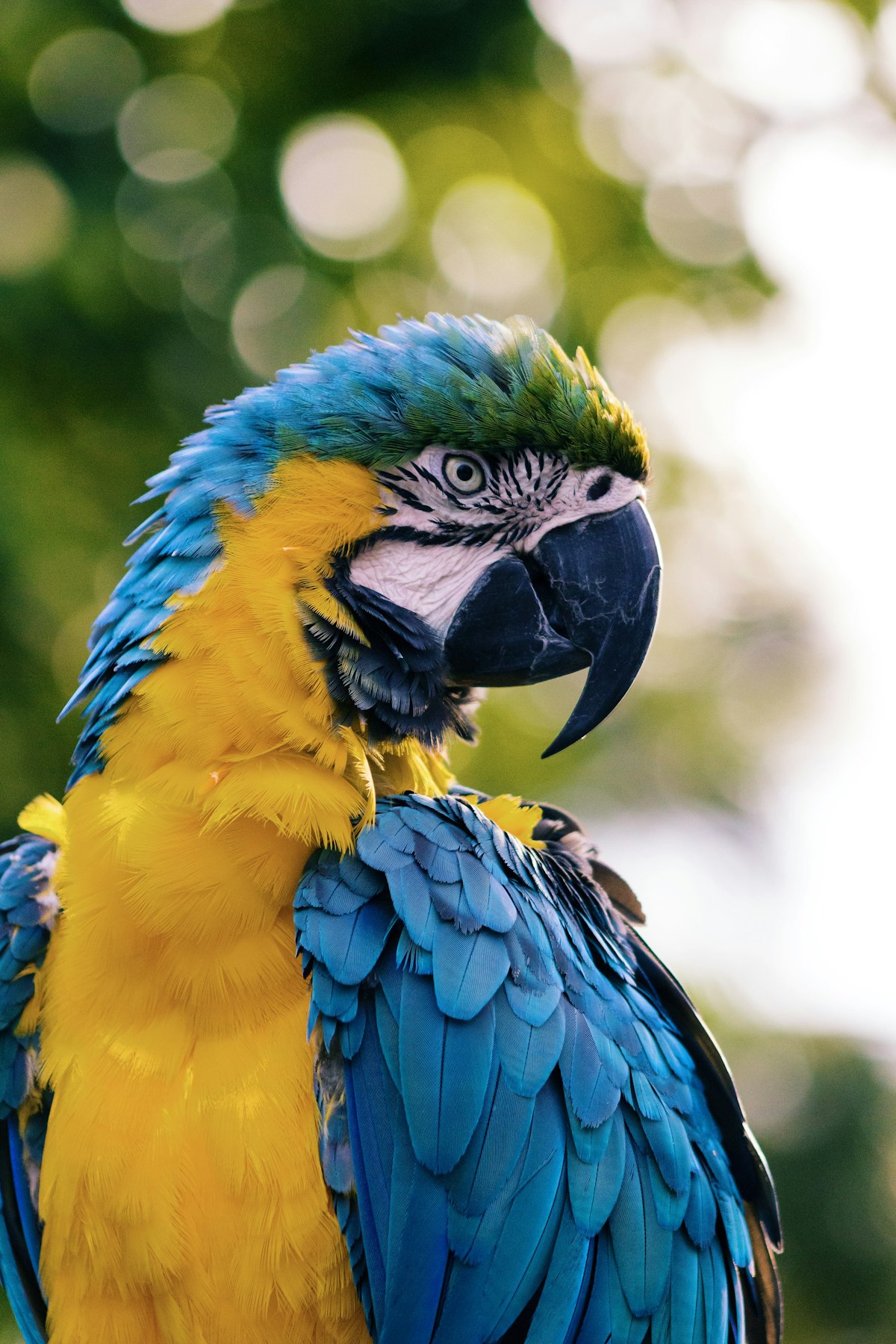
Macaws, cockatoos, and Amazon parrots are incredible birds, but they require a level of commitment comparable to raising a child. They're loud — cockatoos and macaws can exceed 100 decibels, which will be heard by neighbours in any Vaughan subdivision. They need enormous cages, hours of daily interaction, complex diets, and ongoing enrichment. Their lifespans often exceed 50 years, meaning they may outlive their owners.
We strongly recommend that prospective large parrot owners spend time with the species before committing. Visit a parrot rescue, attend a bird show, or connect with an experienced owner. If you're based in Vaughan and want to interact with large parrots before deciding, we're happy to arrange a visit — contact us to set it up.
Space Considerations for Vaughan Homes
The size of your home matters. A pair of budgies can thrive in a well-appointed flight cage in a Maple apartment. A macaw needs a cage large enough to fully spread its wings, plus a play stand, and ideally a bird-safe room for supervised flight. Consider where the cage will go — it should be in a social area of the house (living room or family room) away from the kitchen, direct sunlight, and drafts.
If you have outdoor space — common in Vaughan's suburban neighbourhoods like Vellore and Nashville — a screened-in porch can serve as excellent warm-weather enrichment space. Never leave a bird outdoors unattended, as hawks and cats pose real threats even in suburban areas.
Noise Levels: Being Honest With Yourself
This is where many first-time bird owners underestimate the reality. All birds make noise — it's a fundamental part of their nature. But there's a significant difference between a budgie's gentle chattering and a cockatoo's morning screaming session. Research the typical noise output of any species you're considering and, ideally, listen to recordings at realistic volume. If you live in a semi-detached or townhouse in Concord or Woodbridge, a quieter species will save you neighbourhood conflict.
Adoption vs. Purchase
We always encourage Vaughan families to consider adopting from a parrot rescue before purchasing from a breeder. There are numerous parrots in Canadian rescues that need loving homes — often older birds that are already socialized and past their most demanding developmental phase. Adoption fees are typically lower than breeder prices, and you're giving a bird a second chance at a happy life.
If you do choose a breeder, select one who is reputable, allows visits, and can provide health records. Avoid purchasing birds from pet stores where background and health history are often unknown.
The Long-Term View
A pet bird is a long-term relationship. Budgies may live ten-plus years. Cockatiels can reach twenty-five. Macaws and cockatoos can live past sixty. Before bringing a bird home, ask yourself: will I still be able to care for this bird in ten, twenty, or thirty years? Do I have a plan if my living situation changes? Who will care for my bird if something happens to me?
These aren't meant to discourage you — they're meant to ensure the match is right from the start. A well-matched bird-owner relationship is one of the most fulfilling bonds in the pet world.
If you're a Vaughan family considering your first bird or looking to add a new species to your flock, we'd love to chat. At Feathered Friends Vaughan, we've cared for every species mentioned in this guide and more. Reach out for personalized advice — no booking required.