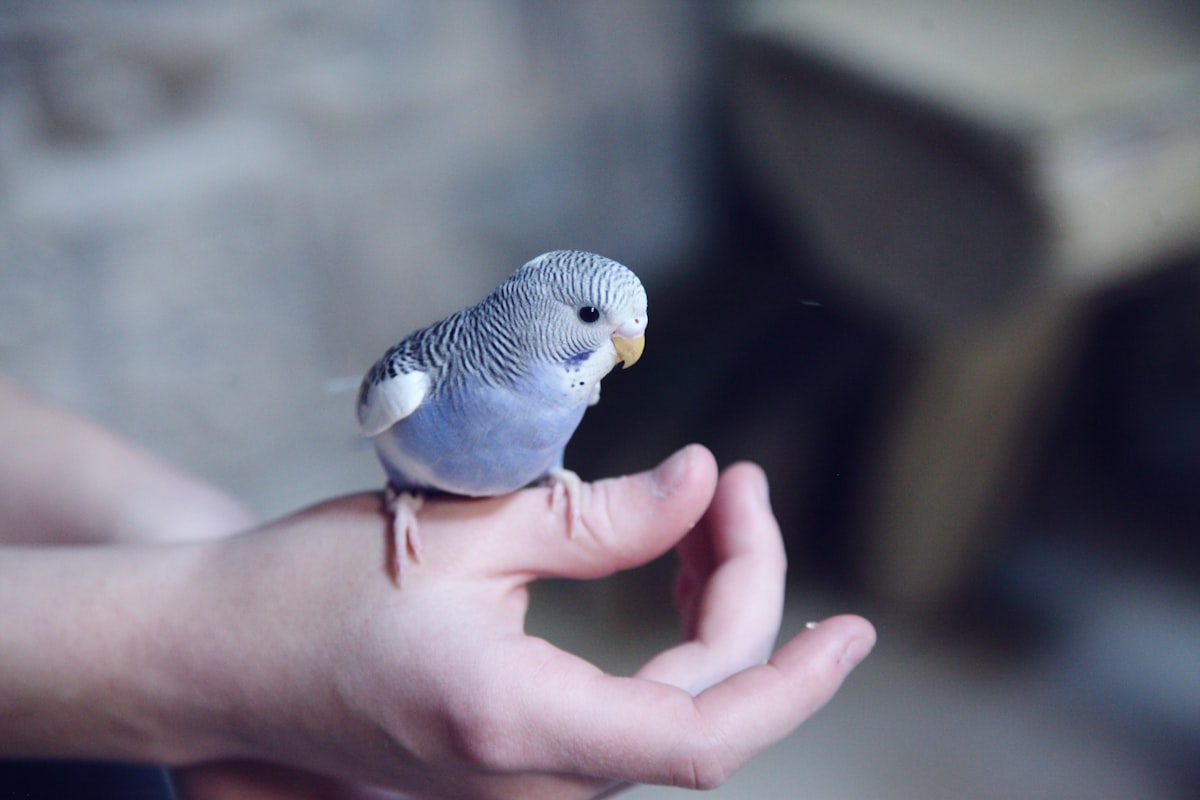
A consistent grooming routine is one of the most important things you can do for your companion bird's health and happiness. Grooming is not just about aesthetics — it supports skin health, prevents infections, catches early warning signs of illness, and strengthens the bond between you and your feathered friend. Yet many Vaughan bird owners are unsure where to start or how often each grooming task should happen. This guide breaks it down into a practical, manageable routine you can follow at home.
Why Every Bird Needs a Grooming Routine
In the wild, birds groom themselves constantly. Preening occupies a significant portion of their daily activity — they waterproof feathers with oil from the preen gland, align barbs, remove dust and debris, and shed old feathers during moult. Rain provides natural bathing, rough branches keep nails in check, and hard seeds and nuts maintain beak condition.
In captivity, many of these natural grooming opportunities are reduced or absent. Smooth perches, processed pellet diets, and climate-controlled homes mean your bird needs your help to fill the gaps. A good grooming routine addresses bathing, nail care, beak health, and feather condition — the four pillars of avian hygiene.
Bathing and Misting
Bathing is essential for every companion bird. Regular bathing keeps feathers clean, supports skin hydration, reduces feather dust (especially important for powder-producing species like cockatiels, cockatoos, and African greys), and encourages natural preening behaviour. Most birds genuinely enjoy bathing once it becomes part of their routine.
How Often to Bathe
Offer a bathing opportunity at least two to three times per week. Some species — particularly those from tropical regions — benefit from daily bathing. Let your bird's response guide you: a bird that eagerly fluffs up and spreads its wings under a mist is telling you it wants more; a bird that retreats or appears stressed may prefer less frequent or a different method.
Bathing Methods
- Spray bottle misting: Fill a clean spray bottle with lukewarm water and mist your bird from above, allowing the fine droplets to settle on the feathers like rain. Use a bottle that has never contained chemicals. This is the most universally accepted method and works well for birds of all sizes.
- Shallow dish bath: Place a shallow dish or baking tray with about one to two centimetres of lukewarm water on a flat surface or inside the cage. Many budgies, cockatiels, and lovebirds enjoy splashing in a shallow bath. Change the water as soon as it becomes soiled.
- Shower perch: A suction-cup perch mounted in your shower allows your bird to enjoy gentle, warm mist from the shower spray. Position the perch away from the direct stream — the bird should receive indirect mist, not a forceful jet. Many medium and large parrots love this method.
- Wet lettuce leaves: Lay wet romaine or leaf lettuce on a plate. Some smaller birds enjoy rolling and rubbing against the damp leaves, which mimics bathing in wet foliage in the wild.
Water Temperature
Always use lukewarm water — roughly room temperature to slightly warm. Never use hot water, which can scald delicate skin, or cold water, which can cause a dangerous drop in body temperature. In Vaughan's cold winter months, ensure the room is warm and draft-free before and after bathing to prevent chilling.
Never add soap, shampoo, or any cleaning products to your bird's bath water. Plain water is all that is needed. Birds have a delicate oil coating on their feathers that soap strips away, leaving them unable to regulate temperature properly.
Nail Maintenance Schedule
Overgrown nails cause discomfort, affect perching ability, and can lead to painful foot conditions. Establishing a regular nail check is a key part of your grooming routine.
Every two weeks, take a moment to examine your bird's nails. Place your bird on a flat surface and observe whether the nails elevate the toes, curl inward, or appear sharp enough to snag fabric. If you notice any of these signs, a trim is needed.
For most species, nail trims are needed every four to eight weeks depending on the bird's size, activity level, and perching surfaces. If you are comfortable trimming at home, maintain a pair of sharp bird nail clippers and styptic powder. If not, schedule regular appointments with a professional groomer.
For a comprehensive deep dive on nail care — including species-specific trimming schedules, professional vs. DIY guidance, and tips for naturally wearing down nails — read our Complete Guide to Bird Nail Care.
Beak Health Checks
A healthy beak is smooth, symmetrical, properly aligned, and free of cracks, flaking, or discolouration. Unlike nails, a healthy beak on a bird with a proper diet rarely needs human intervention — birds maintain their beaks naturally by chewing, grinding, and wiping on rough surfaces.
However, regular monitoring is important. During your weekly grooming check, look for the following:
- Overgrowth: If the upper beak is growing noticeably longer and the bird is not wearing it down naturally, this may indicate a nutritional deficiency (particularly vitamin A), liver disease, or a lack of appropriate chewing materials.
- Misalignment: The upper and lower beak should meet cleanly. A scissors beak (lateral deviation) or an underbite needs veterinary attention and possibly regular beak conditioning.
- Flaking or peeling: Some light flaking is normal — beaks grow in layers, and the outer layer sheds naturally. Heavy flaking, deep cracks, or discolouration can indicate nutritional issues or fungal infection.
- Discolouration: Dark spots, white patches, or unusual colour changes on the beak warrant a vet visit.
Provide cuttlebone, mineral blocks, and untreated wood toys for your bird to chew on. These natural abrasives help maintain beak length and shape without human trimming. If your bird's beak does need professional conditioning, this should always be done by an avian vet or experienced groomer — never attempt to file or trim a beak at home, as the beak contains a blood supply and nerve endings.
Feather Condition Monitoring
Your bird's feathers are a window into its overall health. Healthy feathers are smooth, vibrant in colour, well-aligned, and free of damage. Regularly observing your bird's feather condition helps you catch problems early.
What to Watch For
- Stress bars: These are horizontal lines running across feather vanes that indicate the bird experienced a period of stress, nutritional deficiency, or illness while the feather was growing. A single feather with stress bars is not alarming, but multiple feathers showing them suggests an ongoing issue.
- Feather plucking: If your bird is actively pulling out its own feathers, leaving bare patches on the chest, under the wings, or around the legs, this is a serious behavioural or medical concern. Common causes include boredom, stress, hormonal imbalance, dry skin, allergies, or underlying illness. Consult your avian vet promptly.
- Dull or brittle feathers: Feathers that look faded, feel dry, or break easily often indicate nutritional deficiency — particularly a lack of protein, vitamin A, or essential fatty acids. Review your bird's diet with your vet.
- Abnormal moult patterns: Birds should moult symmetrically and gradually, replacing a few feathers at a time on both sides. A bird losing large clumps of feathers, moulting only on one side, or appearing to be in a continuous moult may have a hormonal or health issue.
Supporting Healthy Feathers
A balanced diet rich in fresh vegetables, high-quality pellets, and appropriate seeds is the foundation of healthy feathers. Regular bathing keeps feathers supple and encourages natural preening. Adequate sleep — ten to twelve hours of uninterrupted darkness — supports the hormonal cycles that regulate healthy moulting.
Seasonal Grooming Adjustments for Vaughan's Climate
Vaughan's continental climate — with bitterly cold, dry winters and warm, humid summers — means your bird's grooming needs shift throughout the year. Adapting your routine to the seasons keeps your bird comfortable and healthy all year round.
Winter (November to March)
Vaughan winters are characterized by dry indoor air from forced-air heating, which is the number one grooming challenge for Vaughan bird owners. Low humidity strips moisture from feathers and skin, leading to increased feather dust, itchy skin, and excessive preening that can escalate to plucking.
- Increase misting frequency: Mist your bird daily during winter months rather than the usual two to three times per week. Even a light misting helps counteract the drying effect of indoor heating.
- Use a humidifier: Place a humidifier near your bird's cage to maintain ambient humidity between 40 and 60 percent. This benefits both your bird and your own respiratory health.
- Monitor for dry skin: Watch for excessive scratching, white flaky skin visible at the base of feathers, or an increase in feather dust on surfaces around the cage.
- Bath timing: Always bathe your bird earlier in the day during winter so feathers are fully dry before the cooler evening temperatures. Ensure the room is warm and free of drafts during and after bathing.
Spring and Summer (April to September)
Warmer months typically trigger the annual moult for most parrot species. During moult, your bird is growing dozens of new feathers simultaneously, which demands extra nutritional support and adjusted grooming.
- Support the moult: Increase protein-rich foods (cooked egg, quinoa, sprouted seeds) and ensure adequate calcium and vitamin A during moulting periods.
- Gentle handling: New pin feathers are encased in a keratin sheath and have an active blood supply. Be gentle during handling to avoid breaking pin feathers, which causes pain and bleeding.
- Check wing clip status: If you maintain a wing clip, moult is when new flight feathers grow in. Monitor for regrown primaries and schedule re-clipping as needed — even two or three new flight feathers can restore significant flight ability.
- Reduce misting if humidity is high: On humid summer days, your bird may need less bathing. Let their behaviour guide you — a bird that avoids the spray bottle on a humid day is telling you it does not need it.
When to Call a Professional
While much of your bird's grooming routine can be managed at home, certain situations call for professional help. Contact a professional groomer or your avian vet if you notice any of the following:
- Nails that have grown severely long with visible curling into the foot pad
- Beak overgrowth, misalignment, or cracks that affect the bird's ability to eat
- Active feather plucking with visible bare patches that is not improving
- Skin irritation, redness, or lesions visible beneath the feathers
- A broken blood feather that will not stop bleeding after applying styptic powder and gentle pressure for five minutes
- Any sudden change in feather quality, colour, or condition across multiple feathers
- Your bird is resisting all bathing methods and its feathers appear consistently dry or soiled
At Feathered Friends Vaughan, our grooming appointments cover the full spectrum — nail trimming, wing clipping, beak conditioning, and overall feather and skin assessment. We are happy to work with you to establish a professional grooming schedule that complements your home routine, so your bird always looks and feels their best.
"We started bringing our African grey to Feathered Friends Vaughan for quarterly grooming and the difference is remarkable. His feathers are healthier, his nails never get too long, and the team always catches things we would have missed at home. It's become an essential part of his care." — Maple bird owner
Building a grooming routine does not have to be overwhelming. Start with regular bathing and nail checks, add beak and feather monitoring as you become more comfortable, and adjust for Vaughan's seasonal shifts. Within a few weeks, these tasks become second nature — and your bird will be healthier, more comfortable, and more beautiful for it.