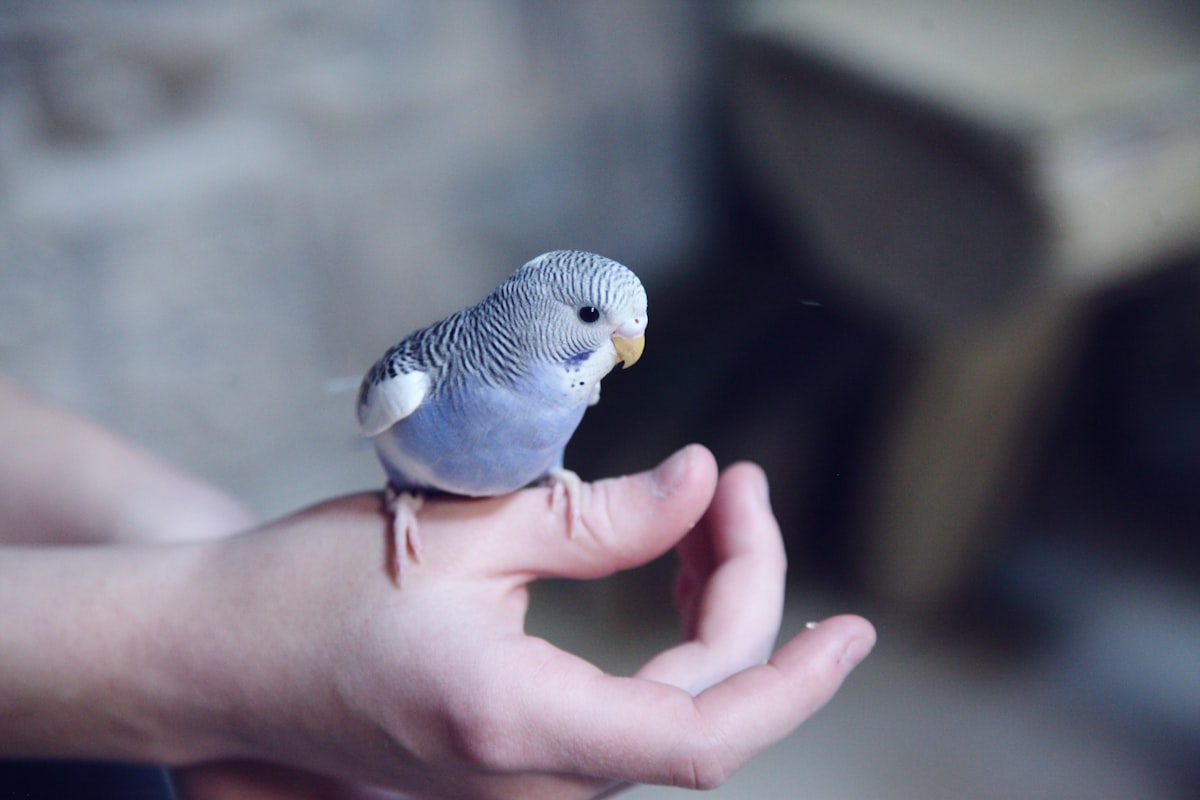
Nail care is one of the most overlooked aspects of companion bird health, yet it plays a critical role in your bird's comfort, mobility, and overall wellbeing. Overgrown nails can cause pain, injury, and long-term foot problems that are entirely preventable with regular maintenance. Whether you have a tiny budgie or a large macaw, understanding nail care basics will help you keep your feathered companion happy and healthy in your Vaughan home.
Why Nail Care Matters for Your Bird
In the wild, birds naturally wear down their nails through constant contact with rough bark, rocky surfaces, and the varied terrain they navigate throughout the day. Captive birds, however, spend most of their time on smooth wooden or plastic perches, polished cage bars, and flat surfaces that do very little to keep nails at a manageable length.
When nails grow too long, the consequences extend far beyond cosmetic concerns. Overgrown nails alter the way your bird grips its perch, forcing the toes into unnatural positions that strain tendons and joints over time. This can lead to a painful condition called bumblefoot — an infection of the foot pad caused by uneven pressure distribution. Long nails also snag on fabric, toys, and cage accessories, which can result in torn nails, bleeding, and significant distress.
Perhaps most importantly, overgrown nails affect your bird's confidence and behaviour. A bird that struggles to grip its perch securely may become reluctant to move around, less willing to step onto your hand, and more anxious overall. Regular nail maintenance removes these barriers and supports a more active, confident companion.
Signs Your Bird's Nails Need Trimming
Learning to recognize when your bird's nails need attention is the first step toward establishing a good care routine. Here are the key indicators that it's time for a trim:
- Visible overgrowth: When your bird perches on a flat surface, healthy nails should curve gently downward without touching the surface. If the nails are long enough to push the toes upward or cause the bird to rock back on its heels, they are overdue for a trim.
- Snagging on fabrics: If your bird's nails catch on your clothing, towels, or woven toys during normal handling, the tips have become too sharp or too long. Snagging is not just an inconvenience — a sudden snag can rip a nail and cause bleeding.
- Difficulty perching: Watch how your bird grips its favourite perch. If the toes cannot wrap comfortably around the perch, or if your bird seems to slide or struggle to maintain balance, overgrown nails may be interfering with their grip.
- Curling nails: In severe cases, neglected nails begin to curl inward toward the foot pad. This is painful and can eventually puncture the skin, leading to infection. Curling nails require immediate professional attention.
- Reluctance to step up: If your bird has always been comfortable stepping onto your finger or hand but suddenly hesitates or pulls away, long nails digging into your skin — and the bird sensing your flinch — may be the cause.
Professional vs. DIY Nail Trimming
One of the most common questions Vaughan bird owners ask us is whether they should trim their bird's nails at home or bring them to a professional. The honest answer depends on your experience level, your bird's temperament, and the species involved.
When DIY Trimming Makes Sense
If you have a calm, well-socialized bird that tolerates handling, and you are comfortable identifying the quick (the blood vessel inside the nail), home trimming can work well for routine maintenance between professional visits. Small species like budgies, cockatiels, and lovebirds have relatively small, thin nails that are more straightforward to trim.
You will need a pair of sharp bird nail clippers or small human nail clippers, styptic powder or cornstarch (to stop bleeding if you nick the quick), good lighting, and a calm environment. Many Vaughan bird owners find it helpful to have a partner — one person gently restrains the bird in a towel while the other trims.
When to Go Professional
Professional nail trimming is strongly recommended in the following situations:
- Dark-coloured nails: Many parrot species have dark or black nails where the quick is invisible. Without being able to see the blood vessel, the risk of cutting too short increases significantly. Professionals use experience and technique to judge the correct length.
- Aggressive or fearful birds: A bird that bites, thrashes, or panics during handling is dangerous to trim at home. Professionals know how to restrain safely without injuring the bird or themselves.
- First-time owners: If you have never trimmed a bird's nails before, we always recommend starting with a professional session where you can watch the technique and ask questions.
- Severely overgrown nails: When nails have been neglected for a long period, the quick may have grown longer than normal. Bringing them back to proper length often requires multiple sessions of gradual trimming, which is best managed by an experienced groomer.
- Large parrots: The bite pressure and strength of cockatoos, macaws, and Amazons make home trimming impractical for most owners. A professional setup with proper restraint techniques is far safer for everyone involved.
How Often Should You Trim?
Nail growth rates vary considerably between species, individual birds, and even the time of year. Here are general guidelines based on species, but always check your bird's nails regularly rather than relying solely on a calendar:
- Budgies and finches: Every 4 to 6 weeks. These small birds have fast-growing nails that can become problematic quickly due to their light body weight and delicate feet.
- Cockatiels and lovebirds: Every 5 to 7 weeks. Medium-small species with moderate growth rates.
- Conures, caiques, and small parrots: Every 6 to 8 weeks. These active birds may wear nails down slightly faster if provided with appropriate perching surfaces.
- African greys, Amazons, and medium parrots: Every 6 to 8 weeks. Their heavier body weight provides more natural wear, but their stronger nails require more effort to trim.
- Cockatoos and macaws: Every 8 to 10 weeks. Large parrot nails are thick and hard. Growth is slower, but each trim requires more precision due to larger blood supply.
During Vaughan's long winter months, when birds may be less active and spending more time stationary on perches, you may notice slightly faster apparent nail growth — or rather, less natural wear. Consider scheduling trims slightly more frequently between November and March.
What to Expect at a Professional Nail Trim
If you are bringing your bird to Feathered Friends Vaughan for a nail trim, here is what the experience looks like from start to finish:
When you arrive at our Woodbridge facility, we start with a brief consultation. We ask about your bird's temperament, any previous experiences with nail trimming, and whether you have noticed any specific concerns with their feet or nails. This helps us tailor our approach to your individual bird.
Your bird is then gently restrained using a soft towel — a standard avian handling technique that keeps the bird secure while minimizing stress. We use professional-grade rotary tools or sharp clippers depending on the species and nail condition. For light-coloured nails, we trim just before the visible quick. For dark nails, we take small increments and watch for the chalky centre of the nail that indicates we are approaching the blood supply.
The entire process typically takes five to ten minutes. Most birds experience mild stress during restraint but recover quickly — usually within minutes of being returned to their carrier. We check all four feet thoroughly, file any rough edges, and inspect the foot pads for early signs of irritation or bumblefoot.
"We brought our cockatiel Mango here for his first professional nail trim and the team was incredibly gentle. The whole thing took less than ten minutes and Mango was singing again before we even left the building." — Vaughan bird owner
Tips for Keeping Nails Naturally Worn
While regular trimming is unavoidable for most captive birds, you can significantly slow nail growth and extend the time between trims by providing surfaces that encourage natural wear:
- Concrete and cement perches: Place one concrete conditioning perch in your bird's cage — ideally in a location where they stand frequently, such as near a food bowl. The rough texture gently files nails with every step. Do not make all perches concrete, as this can irritate the foot pads. One is sufficient.
- Natural wood branches: Branches from bird-safe trees like apple, maple, and willow have irregular surfaces and rough bark that promote natural nail wear. Vaughan residents can source these locally — just ensure the branches have not been treated with pesticides or located near busy roadways where exhaust contamination is a concern.
- Textured platform perches: Flat perches with a slightly rough surface give birds a place to stand and shuffle their feet, wearing down nails passively.
- Varied perch diameters: Different diameter perches force your bird's feet to grip in different positions, distributing pressure and promoting more even nail wear across all toes.
- Foraging and activity: Active birds that climb, forage on rough surfaces, and move frequently throughout their cage experience more natural nail wear than sedentary birds. Providing enrichment encourages movement that benefits both nails and overall health.
Even with the best perching setup, most companion birds will still need periodic nail trims. Think of natural wear as a way to reduce frequency, not eliminate the need entirely.
Nail care may seem like a small detail in the grand scheme of bird ownership, but it is one of those routine maintenance tasks that directly impacts your bird's quality of life. A bird with well-maintained nails perches comfortably, steps up confidently, and moves through its day without pain or frustration. Whether you handle trims at home or bring your bird to us, the important thing is that it gets done consistently.